
UFC Betting in New Zealand: What It Costs, Where It Lives, and How the Odds Actually Work
 Available in US
Data current as of 31 October 2026 and checked against the Department of Internal Affairs’ guidance on the Racing Industry Act 2020.

Bet Types and Odds: What You’re Actually Staking On
A UFC betting slip is not one thing. It is a set of distinct markets, each priced separately, each settled by its own rule, and each carrying its own margin inside the odds. Before naming a bookmaker or a promotion, a punter needs to know what kind of bet they are placing, because the difference between a moneyline and a method-of-victory wager is the difference between one variable and four.
Moneyline (head-to-head)
The most common UFC market. Two outcomes: Fighter A, or Fighter B. The fight ends, one fighter wins, and the bet settles. No draws in practice under standard rules. The price reflects the bookmaker’s read on each fighter’s chance, with the bookmaker’s margin built into both sides. A punter backing the favourite at $1.40 knows they are paying for certainty, and the short price means the return on any meaningful stake is modest unless the bet size is large. A punter backing the underdog at $3.50 knows the price rewards the risk but pays only when the upset lands.
The two outcomes diverge sharply because UFC fights are not coin flips. The median price spread on a main event reflects a real gap in assessed skill, conditioning, and stylistic matchup. Markets with extreme favourites (under $1.20) are usually propped up by the champion-versus-challenger structure; markets near even money suggest the bookmaker sees the bout as genuinely competitive.
Method of Victory
A four-way market (or six-way, depending on the bookmaker). Win by knockout, win by submission, win by decision, or draw. Some books add technical knockout and disqualification as separate outcomes. Each outcome carries its own price because the underlying probability of each finishing method differs sharply between fighters. A wrestler-heavy matchup prices decisions and submissions longer than knockouts. A striker-heavy matchup does the reverse.
This is also where the margin becomes visible. Six outcomes, six prices, and the bookmaker must balance the overround across all of them. Method-of-victory markets routinely carry a higher margin than moneylines because the bookmaker is pricing into thinner liquidity and more uncertain probability distributions. A punter who bets method-of-victory markets regularly is paying more in margin than a punter who sticks to the head-to-head.
Over/Under Rounds
A totals market. The bookmaker sets a line, typically 1.5 or 2.5 rounds, and the punter bets over or under. This is the UFC equivalent of a football over/under on goals: the question is not who wins, but how long the fight lasts. Early finishes favour the under; decision fights favour the over.
Rounds totals are sensitive to matchup style. A bout between two durable strikers with good cardio prices the over short because late finishes are common. A bout between a power puncher and a grappler who struggles off their back prices the under short because the power puncher has a clean path to an early finish. The market shifts between the moment the bout is announced and fight night, often more dramatically than the moneyline moves.
Round and Method Combinations
The most granular UFC markets. Win by knockout in round 1. Win by submission in round 3. These carry long prices because the joint probability of a specific method at a specific round is small. They are also the markets where the bookmaker’s margin can be highest: a sixteen-way grid is harder to balance than a two-way grid, and the overround accumulates.
A punter who wants value in a method-round combination is paying for the specificity. The price is long, but the chance is low. This is the shape of a fun bet rather than a sharp bet.
Live Betting (In-Play)
Once the fight starts, the bookmaker updates prices round by round. A fighter who wins round 1 sees their price shorten; a fighter who gets dropped sees theirs lengthen. UFC live betting moves faster than most sports because the action is compressed: five minutes of meaningful action, then a one-minute rest, then more.
The TAB NZ app lists live betting for UFC and other sports; the in-play interface is built into the existing slip. Punters are expected to know that in-play odds are algorithmic, not hand-pricing, and they move on small signals (a takedown, a cut, a low blow) that do not always change the expected outcome. A round 1 knockdown for the underdog is not the same as a finish. The market sometimes overreacts.
Multi Bets (Accumulators)
A multi combines two or more selections into one bet, with the odds multiplying. Two at $1.50 and $2.00 becomes $3.00 combined. The bet wins only if every leg wins. The more legs added, the longer the price, and the smaller the chance of winning.
UFC multi bets typically combine fights from the same card or different cards. Same-game multis (SGMs) let the punter combine outcomes from one bout (method of victory + over/under rounds, for instance) into one slip. SGMs are popular because they let the punter express a confident read on a fight’s shape in a single wager. They also carry the bookmaker’s margin on every leg, which compounds.
The UFC Itself: Tournaments, Title Fights, and How Fights Are Won
The UFC is the largest mixed martial arts promotion in the world, owned by TKO Group Holdings, with Dana White as president since 2001. The first event was held on 12 November 1993 in Denver, Colorado. By 2026 the promotion had run over 750 events. Eight men’s divisions and three women’s divisions structure the title picture, and championship bouts headline most numbered events.
The 2026 calendar includes marquee bouts at venues New Zealand readers will recognise by reputation: UFC 334 (Gane vs. Hokit) at Madison Square Garden on 14 November 2026, and UFC 335 (Oliveira vs. Lopes) at T-Mobile Arena on 12 December 2026. These are not New Zealand events, and TAB NZ offers them because the betting monopoly extends to events held anywhere in the world. What can be bet on in New Zealand is not limited to local sport.
How UFC Fights Are Structured
Each UFC round is a maximum of five minutes with one minute of rest between rounds. Championship fights and non-title main events are scheduled for a maximum of five rounds; all other bouts are scheduled for three. A bout that ends before the scheduled distance produces a finish in the round it happens. A bout that runs the full distance goes to the judges’ scorecards.
How UFC Fights Are Won
A UFC bout can end by submission (a fighter taps or the referee stops the bout due to a joint lock or choke), knockout (a fighter cannot intelligently defend themselves after strikes), technical knockout (the referee, doctor, or corner stops the bout between rounds or in a round for safety reasons), or judges’ decision (unanimous, majority, split, or technical). A bout can also be ruled a no contest under specific circumstances, most commonly an accidental foul early in the fight.
How UFC Fights Are Scored
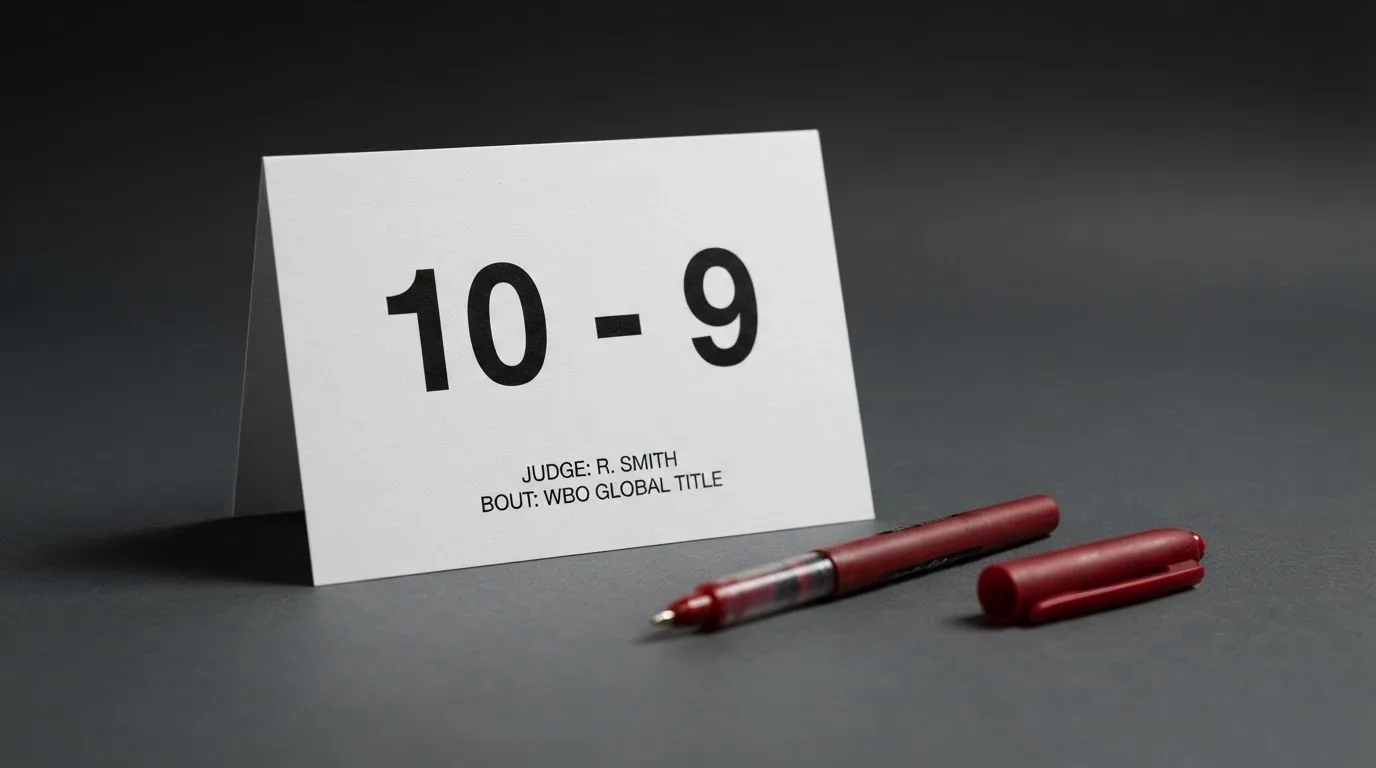
The ten-point must system applies. Three judges score each round individually. The winner of a round receives ten points; the loser receives nine or fewer. A 10-9 round is a close round; a 10-8 round is a dominant round where one fighter clearly outstruck, outgrappled, or controlled the other. Three rounds of 10-9 scoring produce a 30-27 unanimous decision. A fight scored 29-28, 29-28, 28-29 is a split decision.
If a UFC title fight ends in a draw, the defending champion retains the title. This matters for futures markets: a draw does not create a vacant title. Punters betting on title-fight outcomes are expected to know that a draw is a settled possibility, not a refund, on the head-to-head market.
The Title Picture
Championship bouts headline numbered UFC events, and the title-fight market is the most liquid on the card. Interim titles exist and create split divisions; the unification bout eventually settles the question. A punter tracking the title picture over a year is watching a sequence of markets that move on training-camp reports, weight-cut news, and injury withdrawals, all of which shift the odds long before fight night.
The TAB NZ Landscape: What the Monopoly Actually Looks Like
Since 28 June 2025, when an amendment to the Racing Industry Act 2020 (section 74AAA) took effect, TAB NZ and its online sister brand Betcha are the only operators allowed to take online sports and racing bets from people in New Zealand. The Department of Internal Affairs told unlicensed providers serving New Zealand customers to withdraw with immediate effect. There is no licence to apply for and no licence register for bookmakers, because there is only one lawful provider.
This is a structural fact about New Zealand betting, and it shapes every other decision a New Zealand punter makes. A punter cannot choose between ten licensed bookmakers, as a punter in the UK or Australia can. A punter chooses between TAB NZ’s two brands, or they place bets with offshore operators who have no right to take those bets. The framing is not “which licensed bookmaker is best for UFC”; the framing is “which TAB NZ brand do I use, and do I use an offshore alternative at the cost of operating outside the New Zealand harm-minimisation framework”.
TAB NZ’s Two Brands
TAB and Betcha are the two online brands of TAB NZ, run under a 25-year partnership with Entain signed in 2023. Entain takes a 50/50 share of gross profits, with at least NZ$150 million a year going to TAB NZ for the first five years, and a one-off NZ$100 million payment to the racing sector at the start. The two brands are not rivals; they are two products from one operator, aimed at slightly different customer segments.
TAB is the legacy brand with retail outlets (the betting shops New Zealanders call “the TAB”) and the longer history. Betcha is the newer digital-first brand, launched on the App Store on 6 August 2024. A punter comparing the two is comparing user experience and market coverage rather than price, because both brands run from the same odds engine and the same TAB NZ account.
What TAB NZ Offers for UFC
TAB NZ lists UFC fights in its sportsbook and runs in-play markets on the larger cards. The full market depth (method of victory, round and method combinations, over/under rounds) varies by event, and championship fights carry more markets than Fight Night prelims. TAB NZ also runs fixed-odds and tote (pool) bets; UFC is fixed-odds only because there is no pari-mutuel pool for combat sports.
Offshore Brands and What “Not Licensed in New Zealand” Means
The other operators covered in this ranking are not licensed in New Zealand. They name licences from Curaçao, Anjouan, Tobique Gaming Commission (a New Brunswick licensing body that covers e-gaming), and the Union of the Comoros. None of these licences gives a right to take bets from people in New Zealand. Section 74AAA puts liability on the offshore operator; the player is not the target of enforcement under section 19(4) of the Gambling Act 2003, but DIA warns that overseas operators may be in jurisdictions with minimal consumer safeguards, may not return unspent credits, and may not pay out large wins.
This is the honest framing: TAB NZ and Betcha are the only lawful option, with New Zealand harm-minimisation tools, regulator oversight, and a complaints framework. Offshore brands are unlawful for the operator to serve New Zealand; no New Zealand complaints route reaches them, and DIA’s stated risks apply. Neither is “the safe choice” by default, because the comparison is between a lawful monopoly and a set of unlawful alternatives, not between a set of equally licensed competitors.
How the Odds and the Margin Work: The Calculation That Matters
The price of a bet is not the probability of winning. The price is the probability inverted, with a margin added. Understanding this is the difference between reading odds and reading a market.
The Payout Formula
For a single bet at decimal odds, the return is the stake multiplied by the odds. The net profit is the stake multiplied by (odds minus 1). A NZ$10 bet at $2.50 returns NZ$25 total: NZ$10 stake returned plus NZ$15 profit. A NZ$10 bet at $1.40 returns NZ$14 total: NZ$10 stake plus NZ$4 profit.
For a combination bet, the odds of the legs multiply. Two selections at $1.50 and $2.00 produce a combined price of $3.00. A NZ$10 multi returns NZ$30 total if both legs win, NZ$0 if either loses.
The Margin Formula
For a market with multiple outcomes (a two-way head-to-head, a four-way method-of-victory market), the payout share is the inverse of the sum of the inverses of all outcomes’ odds. For a perfectly balanced two-way market at $1.90 and $1.90, the payout share is 1 divided by (1/1.90 + 1/1.90), which equals 1 divided by 1.0526, or approximately 0.95. The margin is 1 minus the payout share, or 5%.
This 5% margin is the bookmaker’s edge on every dollar wagered across the two outcomes, in the long run. A punter backing either side at $1.90 against $1.90 is paying 5% in expectation, before any skill or knowledge is applied. The bookmaker’s actual margin on a UFC main event might run higher, in the 6% to 8% range, because main-event liquidity is thinner than Premier League football liquidity.
The result is a band: for an illustrative two-way market at $1.90/$1.90, the bookmaker’s margin is around 5%, and on a real UFC card the margin runs higher because the bookmaker’s pricing on less-liquid markets is less efficient. The 5% figure is a floor, not a ceiling.
Why the Margin Matters
A punter who bets $100 at $1.90 against $1.90 over many bets breaks even before the margin, then loses 5% of turnover in expectation. A punter who bets the same amount at $1.50 against $2.50 is paying a different margin (likely higher, because the overround is harder to balance when one side is significantly favoured). The margin is the price a punter pays for the privilege of betting, and it accumulates quietly across a season of wagers.
A punter who shops prices across multiple TAB NZ products, or across TAB NZ and Betcha (same odds engine, same prices), will find the same margin. A punter who also looks at offshore brands will see different prices and different margins, but at the cost of betting outside the New Zealand framework. The decision is not “which bookmaker has the lowest margin”; the decision is “which framework am I betting under, and what margin does that framework charge”.
Legality and Regulation in New Zealand
The Department of Internal Affairs is the gambling regulator under the Gambling Act 2003 and monitors compliance with the betting prohibition set out in section 92A of the Racing Industry Act 2020. The Racing Industry Amendment Act 2025 inserted section 74AAA, which prohibits anyone other than TAB NZ from offering racing or sports betting to a person in New Zealand, regardless of where that person is resident or incorporated. The change took effect on 28 June 2025.
There is no licence to apply for and no licence register for betting, because there is only one lawful operator. The law does not geo-block offshore websites; it puts liability on the offshore operator. New Zealand does not block bookmaker sites; ISPs do not filter them by default.
What May Be Bet On
Racing and sports betting from TAB NZ only. TAB NZ takes fixed-odds and tote bets, and its published betting rules define markets such as Win, Place, Each Way, Quinella, Exacta, Trifecta, First Four, Double, Treble, Daily Double, Running Double, Quaddie, and Big6, plus Multis and Same Game Multis. UFC markets sit within the sports section.
Live betting is listed in the TAB NZ apps. Bets on politics and novelty markets are not established as part of the TAB NZ product. There is no statutory per-bet cap; limits are TAB NZ’s own terms. The ban covers events held inside and outside New Zealand.
Greyhound racing is closing in stages from 1 August 2026, and from that date offshore operators may not take bets on greyhound races either. Virtual (computer-simulated) sport is treated by the 2026 online casino law as casino gambling. Whether esports betting falls under “sports betting” under the Racing Industry Act is not established.
Player Protection
The age for TAB NZ betting is 18; betting under 18 is an offence under section 89 of the Racing Industry Act 2020. Land-based casinos have a higher age (20), and the two must not be merged. TAB NZ accounts require a verified New Zealand address and ID.
TAB NZ lists deposit limits, time-outs, and self-exclusion in its apps. An exclusion applies across both TAB NZ brands (TAB and Betcha). There is no single national online-betting exclusion register; the register the casino law will require is for online casinos only.
Help is available through the free Gambling Helpline (0800 654 655, text 8006) and Safer Gambling Aotearoa. TAB NZ must keep the risks of problem and underage gambling minimised and pays a Problem Gambling Levy of 0.74% (in force from 1 July 2025 to 30 June 2028).
Tax
For the player, Inland Revenue guidance says recreational gambling winnings are generally not taxable. Prize money from TAB horse, dog, and trotting races is not taxable. A person who bets as a business is a different case and needs to consult Inland Revenue or an accountant.
For the operator, TAB NZ pays the Problem Gambling Levy. Overseas operators supplying New Zealand residents pay online gambling duty (12% of profits since 1 July 2024, 16% from 1 January 2027), but a duty being payable does not make an offer lawful. The point-of-consumption charge on offshore racing and sports bets ceased on 30 June 2026.
Advertising
The Advertising Standards Authority’s Gambling Advertising Code applies to betting advertisements. Ads must not target children (under 14) or young people (14 to under 18), judged by context, appeal, and expected audience. They must not encourage harm and must be truthful with terms available. No New Zealand equivalent of a “whistle-to-whistle” broadcast ban was found.
Because only TAB NZ may offer betting here, DIA reads the prohibition as covering promoting or taking bets for another operator. The treatment of betting affiliates is not established.
Responsible Gambling: Where to Get Help
UFC betting is not more dangerous than football betting or horse racing betting; it carries the same structural risks. A punter can lose money in any sport, on any market, and the question is not whether the activity is risky but whether the punter is betting within their means and stopping when they are not.
Tools TAB NZ Provides
TAB NZ’s app includes deposit limits, time-outs, and self-exclusion. A punter who sets a deposit limit at NZ$50 a week and finds themselves trying to raise it mid-week has crossed a line worth noticing. A punter who takes a time-out and finds the time-out harder to keep than the betting is has crossed a different line. The tools are not a substitute for self-knowledge; they are a backstop.
When the Tools Are Not Enough
The Gambling Helpline (0800 654 655) is free and operates around the clock. The text line is 8006. Safer Gambling Aotearoa provides information and referrals. A punter who is betting more than they can afford, betting to recover losses, or betting to escape other problems is not in a position to solve this alone, and these services exist for that reason.
The Offshore Caveat
Punters using offshore brands have no access to the New Zealand harm-minimisation framework. Offshore self-exclusion tools are operator-specific, and a punter who self-excludes from one offshore brand can open another account the same day. The New Zealand tools cover TAB and Betcha only. A punter who needs harm-minimisation support must bet with TAB NZ, where the tools are integrated and the helpline is local.
Mobile and App: How TAB NZ’s Apps Compare
The TAB NZ app, “TAB – Racing & Sports Betting”, is published on the New Zealand App Store under the seller name New Zealand Racing Board and was first released on 8 September 2014. The app covers horse and harness racing, rugby union, rugby league, and other sports, with pre-match and live betting markets. The app carries a 17+ age rating while stating that customers must be 18 or over to bet.
Betcha’s app, “betcha | Sports Betting”, is published by Entain New Zealand Limited and was first released on 6 August 2024. Both apps draw on the same TAB NZ odds engine and the same TAB NZ account system. The difference is presentation: Betcha is built mobile-first, while TAB carries legacy retail integration.
What the TAB NZ App Includes
The TAB NZ app includes Trackside live race streaming with in-app betting, racing form, Blackbook and Jockey Challenge tools, and a simplified wallet for deposits and withdrawals. The 17+ rating and the 18+ betting age are stated separately, which is correct under New Zealand law but worth a punter knowing: the app rating is an App Store guideline, not the betting age.
Live Betting on Mobile
Live UFC markets appear in the TAB NZ app in events. The interface updates prices round by round, and the slip settles on fight end. In-play on mobile is the fastest way to bet on a UFC event; a punter watching the broadcast and the app simultaneously sees the price move on a knockdown before the broadcast catches up.
Predictions and Strategy: What a Punter Can and Cannot Know
A punter who claims to know who will win a UFC fight is making a claim that does not survive contact with the sport. Upsets happen in every division, in every card, and the betting market already knows this; that is why the underdog carries long odds.
The Market Knows What It Knows
The TAB NZ odds on a UFC fight reflect the bookmaker’s read on the matchup, informed by recent form, stylistic matchup, training-camp reports, and the betting patterns of other punters. The market is not perfect, but it is efficient in the sense that information available to the public is already in the price. A punter who bets on publicly available information alone is paying the margin and losing in expectation.
What Tipsters Offer
“UFC best bets today” and similar queries return tipster services that claim a win rate high enough to beat the margin. Some tipsters are sharp; most are not. A tipster who publishes picks publicly is publishing picks the market has already priced in, and the edge, if it exists, is gone by the time a follower sees the pick. A tipster who sells picks privately is selling access to the same information the market has, with a margin layered on top.
Bankroll Management
The most important thing a UFC punter can do is manage the bankroll. A punter who bets 5% of the bankroll on a single fight and 1% on a multi is in a position to survive variance. A punter who bets 20% of the bankroll on a “lock” is in a position to lose the bankroll on one upset. The structure of the betting matters more than the pick, because variance in three-round fights with finish potential is high.
The Honest Framing
No system reliably beats the UFC market over a large sample. A punter who is betting for entertainment needs to budget for losing the stake and treat any return as a bonus. A punter who is betting to make money must expect to lose, because the margin and the variance compound.
Operators Reviewed
TAB and Betcha are one operator group, the lawful monopoly; the offshore brands are listed for reference because New Zealand players encounter them. The framing is descriptive and judgemental, not promotional.
| Brand | New Zealand status | What the operator’s own terms state |
|---|---|---|
| TAB | TAB NZ brand (lawful) | TAB NZ retail and online brand; fixed-odds and tote betting; UFC listed under sports; in-play markets on the larger cards; deposit limits, time-outs, self-exclusion in the app. |
| Betcha | TAB NZ brand (lawful) | TAB NZ digital-first brand; first released 6 August 2024; runs from the same TAB NZ odds engine and account system as TAB. |
| Rabona | Not licensed in New Zealand | Launched 23 December 2019 as the sixth Soft2Bet sportsbook; Curaçao licence; no New Zealand complaints route. |
| RoyalistPlay | Not licensed in New Zealand | Tobique Gaming Commission e-gaming licence (No. 0000002), holder Novatrix SRL; live betting, sports promotions, results, and schedule. |
| BillyBets | Not licensed in New Zealand | Casino and sportsbook under one account; football, tennis, basketball, ice hockey, combat sports, esports, virtual sports, live betting. |
| Winz.io | Not licensed in New Zealand | Anjouan and Tobique licences, holder Novatrix SRL; sports betting bonus promotion; separate Sportsbook T&Cs, Sports Rules, and Bonus T&Cs. |
| 22Bet | Not licensed in New Zealand | Curaçao licence (8048/JAZ), holder TechSolutions Group N.V.; over 30 market types per event including 1X2, Double Chance, totals, both teams to score. |
| Sportaza | Not licensed in New Zealand | Anjouan licence (ALSI-202606064-FI2); cash-out, Bet Builder (void selection voids the slip), multiples, Asian lines, interval markets. |
| Thunderpick | Not licensed in New Zealand | Curaçao licence (OGL/2024/677/0722), holder Paloma Media B.V.; esports-first, with sportsbook covering Champions League through NFL. |
| BetNinja | Not licensed in New Zealand | Union of the Comoros licence; casino welcome and sportsbook first-deposit match described on the operator’s own page. |
TAB
TAB is the legacy brand of the monopoly, and the one most New Zealand punters over 30 first encountered at a retail outlet. The brand covers racing (thoroughbred, harness, greyhound until the August 2026 closure), rugby union and league, and the international sports catalog including UFC. The app and the website draw from the same odds engine; the in-play product on the app is the live channel most punters use in a UFC card.
For a New Zealand punter who wants to bet on UFC within the law, TAB is the default and the only real option at the monopoly layer. The product is functional rather than market-leading; UFC market depth on TAB NZ tracks what the wholesale feed provides, and the margin sits in the same band as other fixed-odds sportsbooks. A punter who finds TAB’s UFC market thin must check whether the bout is being priced at all, because not every UFC event makes the TAB NZ card.
Betcha
Betcha is the digital-first brand, launched in 2024 and built mobile-first. The odds engine is the same as TAB’s, and the account system is shared. The difference is presentation: Betcha is cleaner, faster, and aimed at the punter who has never walked into a TAB retail shop.
For a New Zealand punter under 35 who bets on a phone and has no loyalty to the retail brand, Betcha is the better fit of the two monopoly brands. The product is essentially the same; the wrapper is what changes. Betcha’s existence is also a hedge against TAB NZ’s legacy interface, and a sign that TAB NZ sees the digital-only segment as a growth area.
Rabona
Rabona launched on 23 December 2019 as the sixth online sportsbook of the Soft2Bet group, and it is not licensed in New Zealand. The brand names a Curaçao licence, which gives no right to take bets from people in New Zealand; no New Zealand complaints route or harm-minimisation framework reaches it. For a New Zealand player, the licence situation alone makes Rabona a poor fit, as the lawful framework section 74AAA mandates is absent.
RoyalistPlay
RoyalistPlay runs a sportsbook with live betting, sports promotions, results, and a schedule, and lists football, basketball, tennis, handball, ice hockey, volleyball, and table tennis among its top sports, with separate esports and Predictions sections. The brand names a Tobique Gaming Commission e-gaming licence (No. 0000002), held by Novatrix SRL, and is not licensed in New Zealand. For a New Zealand player, product breadth on mainstream sports is meaningful, but the UFC market depth remains unconfirmed at the site.
BillyBets
BillyBets runs a casino and sportsbook under one account, with football, tennis, table tennis, basketball, ice hockey, American football, baseball, combat sports, esports, virtual sports, and live betting covered. The brand names no licence that applies in New Zealand. The all-in-one account structure is convenient, but the combat-sports label is broad rather than UFC-specific; the site’s market coverage remains unverified.
Winz.io
Winz.io runs a sports betting bonus promotion with separate Sportsbook T&Cs, Sports Rules, and Bonus Terms pages, and names Anjouan and Tobique licences held by Novatrix SRL. The brand is not licensed in New Zealand. The layered T&Cs structure indicates a serious operator, but the UFC offering is not detailed at the site, and the offshore status under section 74AAA precludes lawful access.
22Bet
22Bet offers over 30 market types per event, including 1X2, Double Chance, totals, both teams to score, correct score, and HT-FT, plus tennis game, set, and handicap markets. The brand names a Curaçao licence (8048/JAZ) held by TechSolutions Group N.V., and is not licensed in New Zealand. Market breadth is genuinely high, but the UFC-specific menu is absent from the site’s own terms, and the offshore status limits access.
Sportaza
Sportaza offers cash-out before an event or market is finalised, a Bet Builder where a void selection voids the whole slip, multiples, Asian lines, and interval markets in 1, 5, 10, or 15-minute ranges. The brand names an Anjouan licence (ALSI-202606064-FI2) and is not licensed in New Zealand. For a New Zealand punter, the interval-market product is distinctive and will appeal to an in-play specialist, but the UFC-specific menu and the offshore status both count against it for New Zealand-based betting.
Thunderpick
Thunderpick is esports-first, covering CS2, League of Legends, Dota 2, and Valorant, with a sportsbook offering cash-out and markets from the Champions League to the NFL. The brand names a Curaçao licence (OGL/2024/677/0722) held by Paloma Media B.V., and is not licensed in New Zealand. The esports-first positioning means the UFC product is secondary; the offshore status applies.
BetNinja
BetNinja advertises a casino welcome and a sports offer of a 100% match up to EUR 100 on the first deposit, and names a licence from the Union of the Comoros. The brand is not licensed in New Zealand. Deposit-match structures drive the main product feature, but the UFC market depth is not stated in the operator’s terms, and the offshore status applies.
Frequently Asked Questions
Can UFC fighters bet on fights?
No. UFC fighters are prohibited from betting on any UFC bout under the promotion’s athlete code of conduct, and the Athletic Commission in the jurisdiction where a bout is held typically prohibits combatants from wagering on their own sport. A fighter who bets on a bout they are competing in faces suspension, fine, and contract termination. The rules apply to UFC fighters betting on UFC fights and generally extend to betting on other combat sports promotions while under UFC contract.
Can UFC fighters bet on other fighters?
Generally no. Most state athletic commissions prohibit licensed fighters from betting on any professional combat sports bout, not only their own. The rule exists because a fighter with non-public information (injury status, training-camp withdrawals, weight-cut issues) has a material edge, and betting on fights they are not in still allows that edge to be monetised. A UFC fighter who bets on another fighter’s bout faces the same regulatory and contractual consequences as betting on their own.
How do you bet on UFC?
A New Zealand punter opens a TAB NZ account (TAB or Betcha), verifies identity with a New Zealand address and ID, deposits funds, and selects a UFC fight from the sportsbook. The punter chooses a market (moneyline, method of victory, over/under rounds, or a multi), sets the stake, confirms the slip, and waits for the fight. Bets settle when the bout ends, either by finish in the named round or by judges’ decision at the end of the scheduled distance. A punter who wants in-play access does the same setup but places bets while the fight is live, with prices updating round by round.
Which bookmaker may lawfully take sports and racing bets in New Zealand?
Only TAB NZ may lawfully take racing and sports bets from people in New Zealand since 28 June 2025, when section 74AAA of the Racing Industry Act 2020 took effect. TAB NZ operates two online brands: TAB (the legacy brand with retail outlets) and Betcha (the digital-first brand launched in 2024). Both brands run from the same TAB NZ account and the same odds engine. There is no licence register for bookmakers and no licence to apply for, because the law establishes a single lawful provider rather than a licensing framework.
How is the return on a bet worked out from the stake and the odds?
For a single bet at decimal odds, the total return is the stake multiplied by the odds. The net profit is the stake multiplied by (odds minus 1). A NZ$10 bet at $2.50 returns NZ$25 total: NZ$10 stake returned plus NZ$15 profit. For a multi bet, the odds of the legs multiply, so two selections at $1.50 and $2.00 combine into a single price of $3.00, and a NZ$10 multi returns NZ$30 if both legs win, NZ$0 if either loses.
What is the bookmaker’s margin and how can it be seen in the odds?
The margin is the bookmaker’s edge built into every market, expressed as the percentage of turnover the bookmaker keeps in the long run. For a two-way market at $1.90 against $1.90, the margin is approximately 5%. The margin shows up because the odds imply probabilities that sum to more than 100%; the excess over 100% is the overround, and the overround equals the margin. A punter who compares the implied probabilities of all outcomes to 100% is reading the margin directly off the prices.
Tennis, golf & more – dogracingnz.com
Content created by the «dogracingnz.com» team
