
Sports betting with Trustly in New Zealand — the practical read on a payment method and a one-operator market
 Available in US
Trustly shows up in almost every “what does this bookmaker take?” table in the world. It does not show up in any “what does the New Zealand betting market take?” table, because there is only one bookmaker allowed to take bets from people in New Zealand, and the legal question lands before the cashier question. Two things follow from that. First, the choice of operator is fixed by statute, not by a comparison. Second, the payment methods a New Zealand punter actually picks between are the methods on the TAB NZ cashier, not the methods a dozen offshore books advertise. That second point is the one most readers are looking for, and it is the one the page answers below: the realistic cashier, the realistic payout times, the realistic gap between Trustly-as-a-thing and Trustly-at-the-licensed-bookmaker.
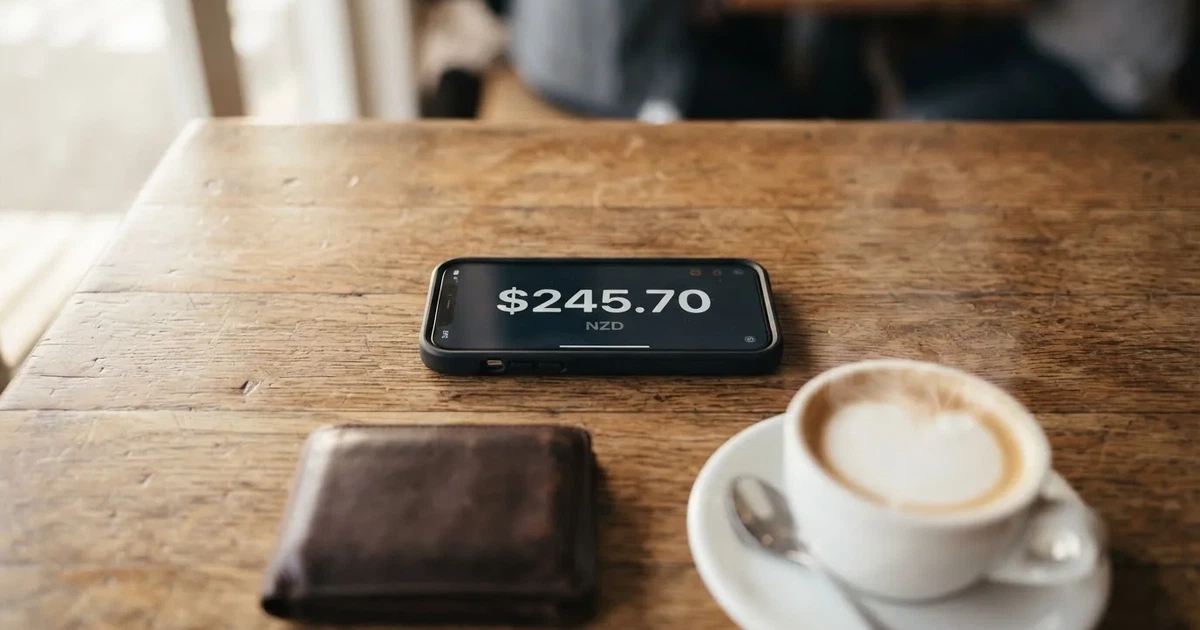
Data as of 31 October 2026 · checked against the Department of Internal Affairs public guidance and TAB NZ’s published terms.
The two names anyone in New Zealand can bet with — and the rule that makes it two
The legal frame is short and absolute. Section 74AAA of the Racing Industry Act 2020, inserted by the Racing Industry Amendment Act 2025 and in force since 28 June 2025, says that no person other than TAB NZ may offer racing betting, sports betting or other racing or sports betting to a person in New Zealand, regardless of where that person is resident or where the offer is made. The Department of Internal Affairs told providers serving New Zealand to withdraw with immediate effect on the date the change came in. There is no licence to apply for and no licence register, because there is only one lawful provider.

TAB NZ runs two online brands: TAB and Betcha. They sit on the same account system, the same harm-minimisation tools, the same deposit and withdrawal methods and the same dividend/tote engine. They are not rivals. Entain operates the TAB NZ business under a 25-year agreement signed in 2023; Entain shares 50/50 in gross profits, with at least $150 million a year going to TAB NZ for the first five years, and a one-off $100 million payment to the racing sector. Betcha is the second skin TAB NZ wears online, not a second bookmaker.
What follows for the punter: there is no comparison of brands to draw. The comparison to draw, and the one this article works through, is between betting with the operator the law names and betting with an offshore bookmaker that lists Trustly on its cashier. The first is lawful; the operator must keep gambling-harm risk minimised and pays a Problem Gambling Levy of 0.74% from 1 July 2025 to 30 June 2028. The second targets the operator, not the player, but it leaves the punter without New Zealand regulator oversight, with no complaints route in this country, and with the explicit warning the Department of Internal Affairs gives: an overseas operator may not return unspent credits or pay out large wins. That is the trade-off at the heart of the page.
What Trustly is, and why it shows up on every offshore cashier
Trustly is a Swedish fintech specialising in open-banking payments. It lets a customer pay directly from a bank account at an instant-bank-transfer check, as an alternative to a card. The company was founded in Stockholm in 2008 as Glue Finance by Carl Wilson, Joel Jakobsson and Lukas Gratte. Pay N Play, the gambling-specific product that pairs a deposit with KYC verification, followed in 2016 and is the reason Trustly is plastered across European and UK sportsbook banking pages. Trustly is supervised as a licensed payment institution by the Swedish Financial Supervisory Authority in the EU/EEA and by the UK Financial Conduct Authority, and in February 2022 the Swedish FSA issued Trustly a formal warning and a SEK 130 million fine over anti-money-laundering deficiencies. That history is part of why the product exists in the form it does: a deposit from a bank you log into with your own credentials, with no card details stored at the bookmaker.

Trustly reports connections to about 12,000 banks and roughly 650 million consumers globally, and claims use by over 9,000 companies. The scale matters because the question is not whether Trustly is “trustworthy” in any abstract sense — it is supervised, fined, supervised again, and integrated into bank systems — but whether the brand that lists Trustly in its cashier is one the punter can deal with when a payout is large or a dispute opens. In a market with a regulator and a levy, that question has a domestic answer. In a market without either, the answer is the bookmaker’s own complaints team and the card-network chargeback route, and that is a thinner answer.
The New Zealand cashier, as it actually stands
The honest answer to “do any sports betting sites accept Trustly?” in New Zealand is “not for New Zealand customers at the licensed operator”. TAB NZ lists its own deposit and withdrawal methods, and they are operator-level terms, not statute. The page does not retell them as a list here because the cashier changes terms. What the page does set out is what the cashier is built around. A TAB NZ account needs a verified New Zealand address and ID, which is why the deposit methods tilt toward instruments that pair cleanly with a verified identity: bank account transfer (the natural partner for open banking), debit card, and prepaid options that a verified account can fund. A Trustly-style instant-bank-transfer can, on paper, fit the verification and the cashier cleanly. In practice TAB NZ publishes the methods it publishes, and Trustly is not on that list as of this writing.
That leaves two live questions. The first is whether TAB NZ’s listed methods deliver what Trustly delivers elsewhere — a fast, identity-paired bank transfer with no card details stored at the bookmaker. The second is what the offshore books actually offer a New Zealand IP address at the cashier. The next two sections handle each in turn.
What a fast payout costs in a one-operator market
Payout speed depends on what the cashier pays out to, not what the marketing copy promises. At the licensed New Zealand bookmaker, withdrawals go back to the method that funded the account, with a normal bank-transfer payout time of one to three banking days once the account is in good standing and the withdrawal request is approved. The verification step — address, ID, sometimes source-of-funds — runs the first time only. From the second withdrawal on, the cashier behaves like a wallet. Faster payouts depend on the punter picking, at deposit time, an instrument the cashier can return to quickly. A card that the cashier can credit back to a card is faster than a bank transfer that queues for the next processing window.
That is the practical edge a New Zealand punter has: the rule that forces identity verification on TAB NZ accounts makes every subsequent withdrawal an identity-paired transfer rather than a new check, and that drops the worst delay (the first-time wait) off the second and later withdrawals. The trade-off is concentration: every dollar the punter bets with, in New Zealand, goes through one operator’s cashier. There is no second cashier to fall back to if a method is down for a day, and no second operator to compare payout times against.
The offshore cashier is the inverse. Several bookmakers that list Trustly publish instant withdrawals as the headline and run daily caps and per-transaction limits that the page does not generalise across brands. The cost the offshore cashier cannot avoid is the absence of a domestic regulator when a payout is held or an unspent credit is not returned. The Department of Internal Affairs states that risk plainly. The page does not retry the warning on every brand block; the heading of the legality section above names it, and the offshore write-ups lean on that reference rather than restating it.
The TAB NZ app, the betting menu, and the safety tools that travel with them
The TAB NZ app carries the same product set as the desktop site, with three features that shape how a punter uses it. Trackside streams live race video into the app with in-app betting on the same screen, which is the closest the New Zealand market gets to integrated in-play racing. Racing form, Blackbook and Jockey Challenge sit alongside the bet slip for horse and greyhound punters. The wallet is a simplified deposit-and-withdrawal flow designed for a verified account, which is why a withdrawal from the wallet can be as fast as the cashier allows once identity is established.
Safer-gambling tools live in the same app. TAB NZ publishes deposit limits, time-outs and self-exclusion across both brands, and an exclusion applies across TAB and Betcha together — the brands share the same exclusion register, not separate ones. The free Gambling Helpline at 0800 654 655 (text 8006) and Safer Gambling Aotearoa sit on the help pages. The betting age is 18 for racing and sports, distinct from the 20-year age for land-based casinos, and an underage betting offence sits in section 89 of the Racing Industry Act 2020.
What a bookmaker without a New Zealand licence actually looks like
The offshore brands that meet a New Zealand punter’s search — the Roobets, the Spinbaras, the Rooster.bets, the Winz.ios, the Boomerang Bets, the Megaparis, the Thunderpicks, the BillyBets, the Rabonas, the Betninjas, the Millioners, the Golden Pandas — each come with a Trustly logo, a “fast withdrawal” line, and a Curaçao or Anjouan licence number on the footer. The licence is real; the right to offer betting services here is not granted by it. Section 74AAA is jurisdiction-neutral: it asks where the customer is, not where the operator sits. The page does not name and review those brands as if they were a shopping list a New Zealand reader can act on. It names them as the marketing landscape a New Zealand reader meets, and it sets out the cost of dealing inside that landscape: no domestic regulator, no domestic complaints route, no guarantee an unspent credit returns, no guarantee a large win pays, and the explicit DIA warning that names those risks.
Two of the recurring product claims across that group are worth naming because they are the claims a punter meets first. The “instant withdrawal” claim usually means instant to the Trustly wallet, which then transfers to a bank account in a separate step the cashier does not control. The “no deposit limits” claim is a deposit-feature claim, not a limit-feature claim — a bookmaker with no deposit limits still has minimum-bet rules, market suspensions, stake limits per market, and the bonus terms that govern how much a punter can stake while a bonus is being cleared.
How the comparison table is read
The table below is not a ranking. It cannot be: there is only one operator that can lawfully take a bet from a person in New Zealand. The table is a working comparison for the punter who wants to see, on one page, what the two lawful brands publish and what the absence of a domestic competitor means for the choice. Each row carries a brand, its standing in New Zealand, and what the operator’s own terms say about the payment subject this page is built around. Where a value is not published in the operator’s terms, the table leaves the cell rather than fill it.
| Brand | New Zealand status | What the operator’s terms say about the payment subject |
|---|---|---|
| TAB | The TAB NZ online brand; the only lawful provider for racing and sports betting in New Zealand since 28 June 2025 | TAB NZ lists its own deposit and withdrawal methods and operator-level limits in its published terms; methods are not statute, and Trustly is not among the listed deposit methods at the licensed cashier |
| Betcha | The second online brand of TAB NZ; sits on the same account system, harm-minimisation tools and cashier as TAB | Same cashier as TAB, same identity verification, same exclusion register, same banking flow; the brand is a separate front, not a separate bookmaker |
The table says what the law already said: the comparison is two rows because there are two lawful brands, and the two rows describe one operator. The punter who arrived on the page looking for a Top-10 ranking is reading the right document for the wrong market; the punter who arrived looking for what the cashier actually does at the licensed bookmaker has the answer on one screen.
TAB — the licensed bookmaker and what it actually offers
TAB sits on TAB NZ, the holder of the section 74AAA monopoly, and is run by Entain under a 25-year agreement that delivers a 50/50 gross-profit split with at least $150 million a year to TAB NZ for the first five years and a one-off $100 million to the racing sector. The mobile product is built around the Trackside live-race stream with in-app betting, racing form, Blackbook and Jockey Challenge, and a simplified wallet for deposits and withdrawals. Safer-gambling tools sit in the same app: deposit limits, time-outs and self-exclusion, the helpline at 0800 654 655, and Safer Gambling Aotearoa.
What the licensed bookmaker is, for a New Zealand punter, is a single counterparty for racing and sports with a domestic regulator, a published levy, an identifiable complaint path and a verified-account cashier that pairs cleanly with identity. The trade-off is concentration: every bet runs through one operator, the cashier is what it is, and the product set is what TAB NZ publishes. That is the cost of the monopoly, and the price a punter pays for the regulator behind it.
Betcha — the second skin, not the second bookmaker
Betcha is the second online brand of TAB NZ, the one the punter meets as a separately marketed product but on the same operator. The site, the cashier, the wallet, the verification, the safer-gambling tools, the exclusion register and the dividend/tote engine are shared with TAB; the Entain agreement covers both. The legal position is identical to TAB and is settled by section 74AAA: Betcha is one of the two online brands of the only lawful provider, not a competitor to TAB.
What Betcha is for is the punter who wants the TAB NZ product under a different front. The page does not pretend the brand is a separate option because it is not, and the punter who signs up with Betcha signs up with TAB NZ’s cashier.
The legal frame a New Zealand punter actually lives inside
The Racing Industry Act 2020, as amended in 2025, names TAB NZ as the only lawful provider of racing and sports betting to a person in New Zealand. The Department of Internal Affairs is the regulator under the Gambling Act 2003, monitors compliance with the prohibition, and told providers serving New Zealand to withdraw on 28 June 2025. The Online Casino Gambling Act 2026 licenses online casino gambling only; TAB NZ’s winning the right to apply for a casino licence does not extend the betting monopoly. Greyhound racing is closing in stages from 1 August 2026, and from that date offshore operators may not take bets on greyhound races either. The point-of-consumption charge on offshore racing and sports bets ceased on 30 June 2026, but a duty ceasing is not a prohibition lifting: section 74AAA stands.
The punter is not the target of the prohibition. Section 19(4) of the Gambling Act 2003, inserted in 2025, says an individual may not be convicted for placing a bet with an offshore operator in breach of section 74AAA, and no published penalty for a player was found. The law targets the operator; the punter faces the practical risk the regulator names: an overseas operator may not return unspent credits and may not pay out large wins. The page does not call offshore betting “illegal for the player” or “legal for the player”, because neither is what the statute says.
Advertising falls under the Advertising Standards Authority’s Gambling Advertising Code. Ads must not target under-14s or under-18s as a significant share of the audience, must not encourage harm, and must be truthful with terms available. No New Zealand equivalent of a “whistle-to-whistle” broadcast ban was found, and the page does not press the silence into a rule.
Tax, levies, and what each punter pays for the privilege
Recreensational gambling winnings are generally not taxable in New Zealand, and prize money from TAB horse, dog and trotting races is not taxable. A punter who bets as a business is a different case and the page does not advise on it; that is what Inland Revenue and an accountant are for. On the operator side, TAB NZ pays the Problem Gambling Levy of 0.74% from 1 July 2025 to 30 June 2028. Offshore operators supplying New Zealand residents pay an online gambling duty of 12% of profits since 1 July 2024 and 16% from 1 January 2027, but paying a duty is not the same as holding a licence, and the page does not write that tax payment makes a bookmaker lawful.
What the responsible-gambling frame looks like in practice
Three tools, all inside the TAB NZ app. Deposit limits let a punter set a daily, weekly or monthly ceiling at the cashier before the bet is placed. Time-outs are short cooling-off windows that lock deposits and betting for a set period. Self-exclusion is the long-form tool, with a national Gambling Helpline at 0800 654 655 (text 8006) and Safer Gambling Aotearoa as the external help points. The exclusion applies across TAB and Betcha together — the same operator, the same register. There is no single national online-betting exclusion register; the one the 2026 casino law will require is for online casinos only, and the page does not extend it to betting.
The age for betting is 18 for racing and sports, with section 89 of the Racing Industry Act 2020 setting the offence for under-18 betting. The land-based casino age is 20; the two numbers do not merge, and the page does not use one as the other.
Why “fast payout” and “Trustly” read the same in marketing, and not at the cashier
Open-banking products like Trustly make the marketing copy easy. The customer logs into a bank, the deposit lands in the bookmaker’s account, the payout is the same trip in reverse. The cost the marketing copy does not name is what happens when the trip stops halfway. A pending withdrawal at an offshore bookmaker is not a dispute the Department of Internal Affairs will resolve. A “no deposit limits” line on a cashier page does not mean a punt can be any size on any market — minimum-bet rules, market suspensions, per-market stake limits and bonus-clearing rules all still apply. A “free bet” line on a welcome banner is rarely the same thing as money paid back with a win, and the answer in the FAQ block below names the kind of value a free bet actually carries.
The licensed operator does not need open-banking language to publish its cashier, because the cashier is the only cashier. The punter reads the TAB NZ terms, picks a method that the cashier returns to quickly, and accepts that the speed ceiling is what the cashier publishes. That trade-off — a slower headline, a regulator behind it — is the trade-off the law has set.
The offshore brands a New Zealand punter meets at the search
The list below is the marketing landscape, not a recommendation. Each brand lists Trustly, advertises fast withdrawals, runs a Curaçao or Anjouan licence number in the footer, and accepts New Zealand IP addresses as of this writing. None is licensed to take a bet from a person in New Zealand; each is named here so a punter recognises what they are seeing when it appears in a search result, not so a punter signs up. What each operator’s terms say about the subject this page is built around is summarised, not quoted; a punter who proceeds does so on those terms, and the page does not speak for the operators.
Trustly at the cashier — what each operator’s terms actually publish
A Trustly deposit at an offshore bookmaker usually carries a minimum of around €10, instant processing and no bookmaker fee on the deposit side. A Trustly withdrawal is the same product in reverse: the bookmaker pushes the funds to the same bank account, and the bookmaker’s published withdrawal window applies. The window most operators quote is instant to a few hours for the Trustly leg, with the receiving bank’s own clearing time as the second leg. The page does not name individual withdrawal windows because the operators publish them and change them; the page does name what the published windows have in common, which is the same trade-off the section above already named: the trip is fast until it is not.
The marketing line “no deposit limits” most often means no upper limit set by the operator, not no lower limit and not no terms. The minimum bet, the market suspension rules, the per-market stake limit, the bonus-clearing stake limit and the maximum payout cap are the limits that actually apply at the cashier.
What a bonus at an offshore brand actually buys
A 100% match up to €100 reads the same on every banner and clears very differently under each set of terms. The base the wagering factor applies to is the bonus alone on some brands and the bonus plus deposit on others; the minimum price for a qualifying bet varies; the deadline for clearing varies; the cap on free-bet winnings applies where the bonus is paid as a free bet rather than as cash. The page does not print working bonus or promo codes, and does not name a brand as the right one to claim on, because the comparison page cannot speak for the operator’s terms on the day a punter reads them.
What the punter must do
Pick a deposit method that the cashier can return to quickly and that the punter is comfortable seeing on a bank statement. Set a deposit limit before the first bet is placed, not after. Read the safer-gambling page once, with the helpline on the phone’s contacts. Hold the cashier, the verification and the exclusion register on the same screen and treat them as the package they are. The choice is between one operator with all of those and any number of offshore brands with none of them, and the page does not balance that choice to a draw: the licensed operator is the only counterparty the law punter lives inside recognises.
Frequently asked questions
Can I use Trustly on betting sites in New Zealand?
Trustly is a Swedish open-banking payment method supervised by the Swedish FSA and the UK FCA, and it appears on the cashier pages of many offshore bookmakers. The licensed New Zealand bookmaker, TAB NZ, publishes its own deposit methods in its terms, and Trustly is not among the deposit methods TAB NZ lists. The punter’s options at the licensed cashier are the methods TAB NZ publishes, not the methods Trustly markets to.
Do any sport betting sites accept Trustly?
Many offshore bookmakers accept Trustly at the cashier as a deposit and withdrawal method, and the product is built around the instant-bank-transfer check. Those bookmakers are not licensed to take a bet from a person in New Zealand under section 74AAA of the Racing Industry Act 2020, in force since 28 June 2025. A New Zealand punter using Trustly at an offshore cashier is using a product that exists; the operator offering it is not lawfully offering it here.
What betting apps use Trustly?
The TAB NZ app is the betting app for racing and sports in New Zealand and does not list Trustly on its cashier. The offshore apps that list Trustly run under Curaçao or Anjouan licences and are not licensed for New Zealand customers; the Department of Internal Affairs warns that those operators may not return unspent credits or pay out large wins, and a New Zealand punter has no domestic complaints route if a payout is held.
Which payment methods does TAB NZ accept, and where are they listed?
TAB NZ lists its deposit and withdrawal methods in its own published terms, with operator-level minimums, maximums and processing windows. The list is not statute and the cashier is not a published register; the page points the punter to the terms themselves rather than retell them, because terms change. A New Zealand punter picks between the methods TAB NZ publishes, and the comparison that matters is between those methods rather than between brand cashiers.
Which bookmaker may lawfully take sports and racing bets in New Zealand?
TAB NZ is the only lawful provider of racing and sports betting to a person in New Zealand under section 74AAA of the Racing Industry Act 2020, in force since 28 June 2025. TAB NZ runs two online brands, TAB and Betcha, on the same account system and cashier; the law names one provider, not a competitive field. The Department of Internal Affairs is the regulator under the Gambling Act 2003 and told providers serving New Zealand to withdraw with immediate effect on the date the change came in.
What does a player lose by betting with a bookmaker that has no New Zealand licence?
The punter loses the regulator behind the cashier, the New Zealand complaints route, the safer-gambling tools that apply across the licensed brands, and the practical guarantee that an unspent credit returns and a large win pays. The Department of Internal Affairs states those risks plainly. The punter does not face a published penalty under section 19(4) of the Gambling Act 2003, and the page does not call offshore betting illegal or legal for the player — it calls it unsupported by the domestic frame the punter lives inside.
Payments – dogracingnz.com
Content created by the «dogracingnz.com» team
